(2021) British Labour: To Stay or Go
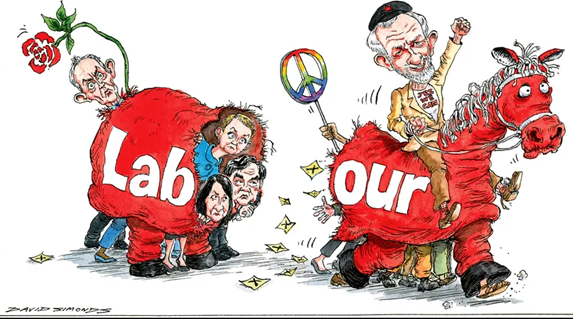
There were two periods in recent British Labour history where leaving the party was a more than usually troubling question for a lifelong supporter to consider.
This essay suggests that Burkean ideas apply to the Australian labour tradition7 and help illuminate that tradition as well as enabling the explication of competing ideas that sit outside, sometimes in competition and sometimes as complementary.
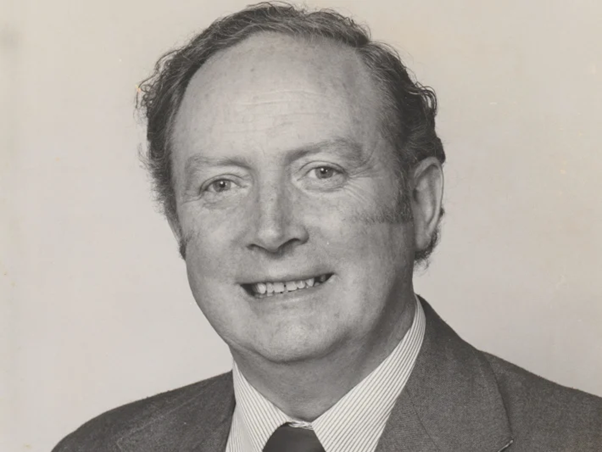
Jim Walshe, rail unionist, Labor activist, superannuation reformer, keen golfer and family man, was born in Ballybunion in County Kerry, Ireland, a resort town known for its picturesque stretch of sand dunes overlooking the Atlantic Ocean, beaches, steep seaside cliffs, ruined castles, golf course, family farms and, in his early years, the rural poverty of Depression-era, newly independent Ireland.
The history of the ALP at the national level is one long lesson in humility. More often defeated than victorious, glorious in government but only in retrospect. This is our party. The thirteen-year golden era of Hawke and Keating between 1983 and 1996 created Medicare and universal, compulsory superannuation; broke the back of inflation; set the economy up for a quarter century of continuous economic growth; changed Australia for the better. At the same time as those governments fought to earn credibility and support, enthusiasm waxed and waned within the wider labour movement.
Jeremy Mark Spinak, Jewish communal leader, businessman, politics aficionado, US Presidential history buff, husband, father – “Jez” to family and friends – passed away aged 36 just five months after diagnosis with pericardial mesothelioma, a phenomenally rare cancer associated with proximity to and inhalation of asbestos.
The passing of Vincent Joseph (“Vince”) Higgins, union and Catholic activist, sees the demise of an important link to the turbulent clashes in the labour movement of the 1950s.
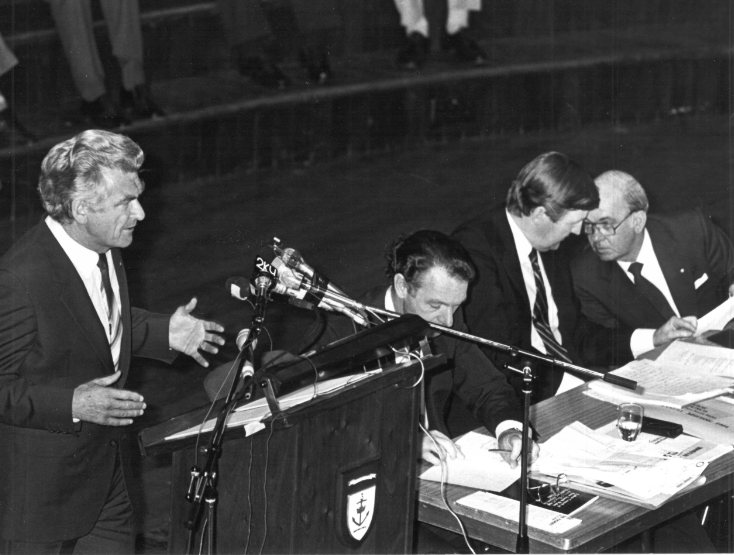
Australia’s greatest Prime Minister, Bob Hawke, entered the office with expectations that were precarious and low. His 1979 Boyer Lectures on ABC radio were wide ranging and lightweight. Ideas were kite flown as if they were wistful suggestions untied to each other and unmoored to earth.
All parties exist to win. I felt from the beginning of the campaign that there was no great mood for change, despite the shambles of the last three years. I expected, though, at the start that we would narrowly win because of the mess the government was in, not due to us.
Welcome to the Canopy Bar celebration. The back bar, front bar, and middle bar tributes are awaiting scheduling. I first met Michael Danby 42 years ago in the Trades Hall pub on the eve of a Young Labor conference. He was boisterous, opinionated, excited, and interesting.
I will try to be brief, as the main event lies ahead: hearing from Adrian Pabst and queuing for his signature on a copy of the book.