(2026): Taiwan, Australia, and Myths About Choices
Published in edited and shortened form under the heading ‘“Strategic Ambiguity” on Taiwan Suits Our National Interests’, The Australian, 2 October 2026, p. 11. It

Published in edited and shortened form under the heading ‘“Strategic Ambiguity” on Taiwan Suits Our National Interests’, The Australian, 2 October 2026, p. 11. It

The purpose of this chapter is to sketch what happened in foreign policy in the first term of the Albanese-led Labor government, and to provide context and analysis of the bigger picture. The word ‘drift’ conveys direction of policy and action, rather than uncertain navigation.
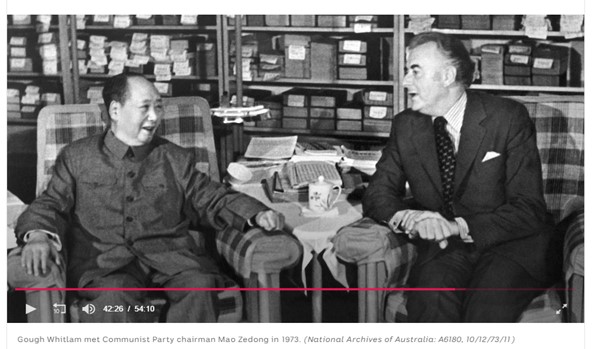
Nine days before Kissinger’s visit, nine months before Nixon’s, Australian Opposition Leader Whitlam visited China in July 1971. On no diplomatic issue has the McMahon government suffered more embarrassment than that of relations with China.

Welcome, everyone. My name is Dominic Meagher. I am the deputy director of the John Curtin Research Centre, and this is ‘In Conversation’ with Michael Easson.
Interview between Tom Switzer and Michael Easson broadcast on Friday 9 June 2023 on the ‘Between the Lines’ program on ABC Radio National.
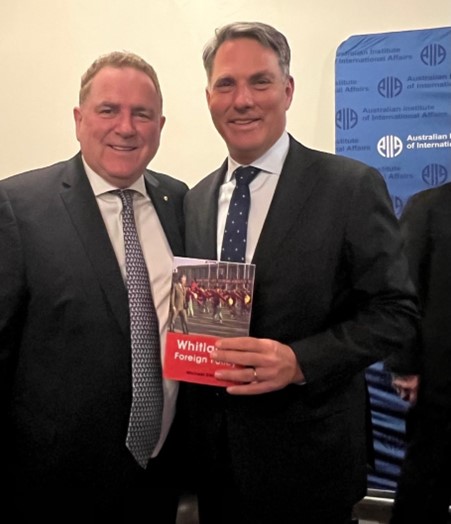
Two launches of my monograph, Whitlam’s Foreign Policy, occurred in early May.
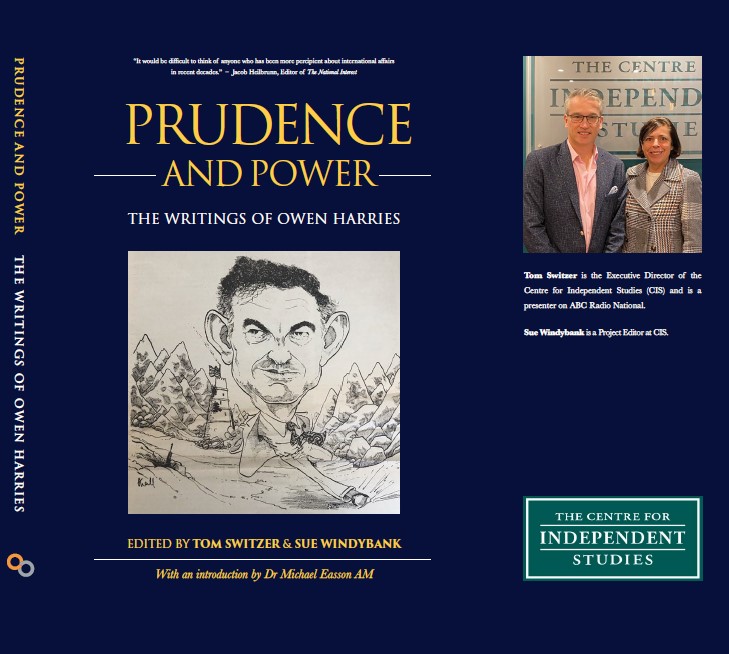
All of us knew Owen Harries, the three instigators of this book, Tom Switzer, Sue Windybank, and me. We admired his thinking, his ideas, the craft he applied to wordsmithing, the jesting and jostling in debate, the integrity he displayed respecting others’ viewpoints, the originality he brought to important questions.
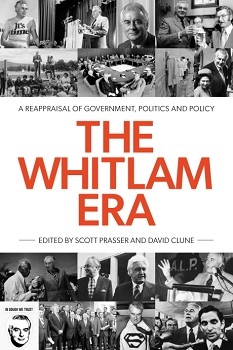
On one view, Gough Whitlam was a passing flash, whose government was not around long enough to have had an appreciable impact on Australian foreign policy. On another, Whitlam’s foreign policy changes were immense and long lasting. This chapter, necessarily briefly, discusses the promise, creativity, problems, and influence of Whitlam’s foreign policy. Through such analysis, mature reflection on Australia’s legacy in relation to its obligations to and treatment of our alliances, commitment to the region, and human rights is enabled.
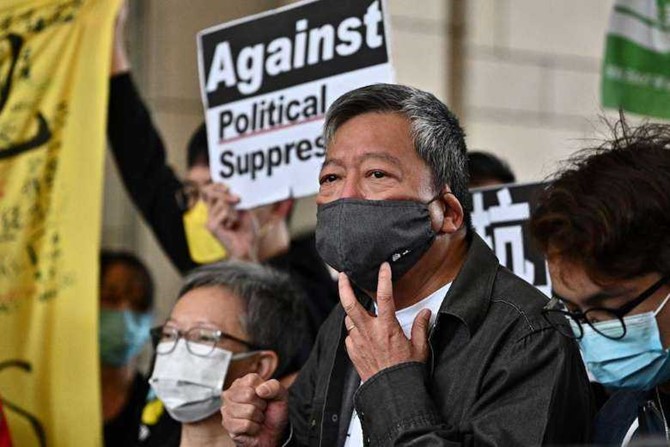
Of course, everyone wants better relations with China.

I cannot imagine anyone in the ALP in 2021 who today does not hope for the emergence of a Palestinian state. How this outcome might occur is where differences emerge.