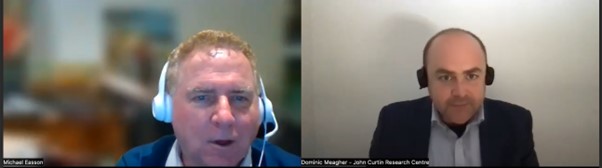
(2023) Interview with Dominic Meagher on Whitlam’s Foreign Policy
Welcome, everyone. My name is Dominic Meagher. I am the deputy director of the John Curtin Research Centre, and this is ‘In Conversation’ with Michael Easson.


Welcome, everyone. My name is Dominic Meagher. I am the deputy director of the John Curtin Research Centre, and this is ‘In Conversation’ with Michael Easson.
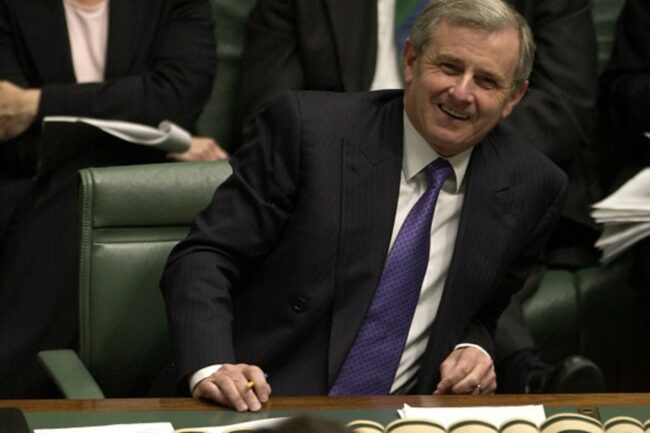
Simon Crean, who died unexpectedly of heart failure after an asthma attack in Germany yesterday, following a morning exercise, was Australia’s most successful trade minister, whose contributions to the Australian labour movement ranged over fifty years, including as ACTU President during the Accord era.
Interview between Tom Switzer and Michael Easson broadcast on Friday 9 June 2023 on the ‘Between the Lines’ program on ABC Radio National.
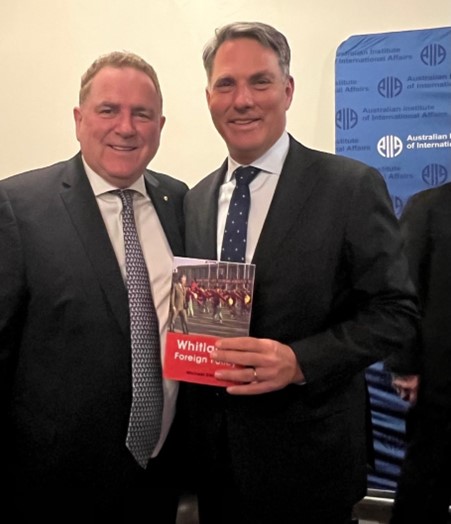
Two launches of my monograph, Whitlam’s Foreign Policy, occurred in early May.
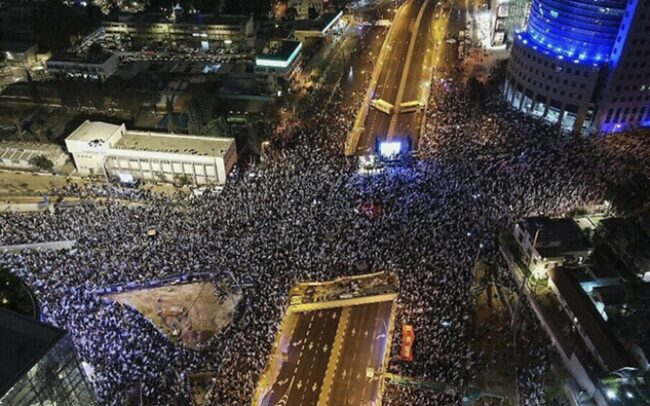
Israel is in the midst of unprecedented political turmoil. Three alarms are sounding.
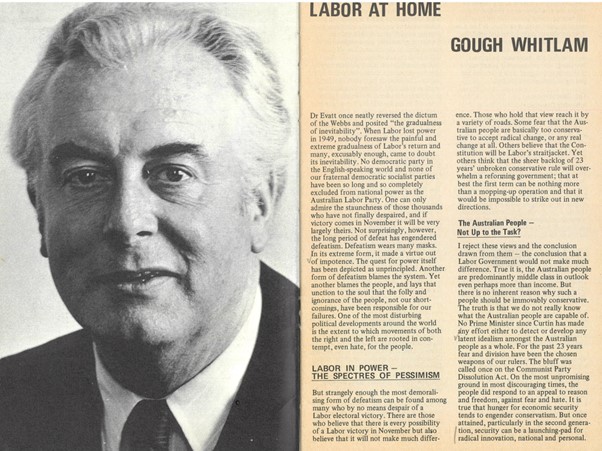
Notes “dipped” into in delivering remarks at the Whitlam Institute, Western Sydney University, on 21 February 2023 at the launch of Scott Prasser & David Clune, editors, The Whitlam Era.
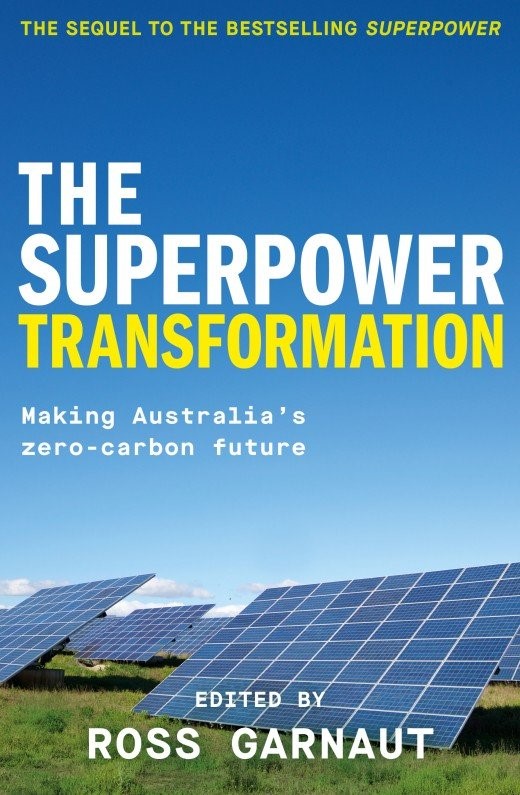
This book of essays, The Superpower Transformation (2022), elaborates, expands, debates, and raises difficulties associated with Ross Garnaut’s pioneering study, Super-Power. Australia’s Low-Carbon Opportunity, published in 2019 by the same publishers.
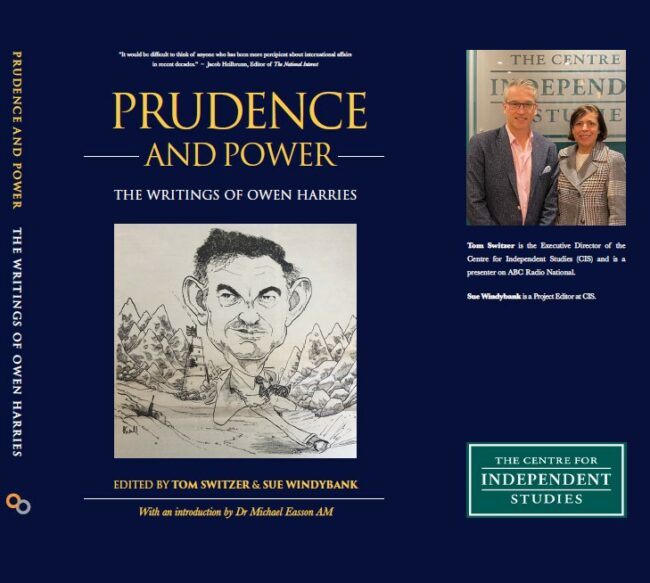
All of us knew Owen Harries, the three instigators of this book, Tom Switzer, Sue Windybank, and me. We admired his thinking, his ideas, the craft he applied to wordsmithing, the jesting and jostling in debate, the integrity he displayed respecting others’ viewpoints, the originality he brought to important questions.
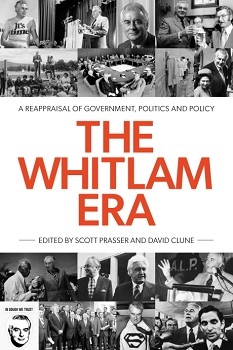
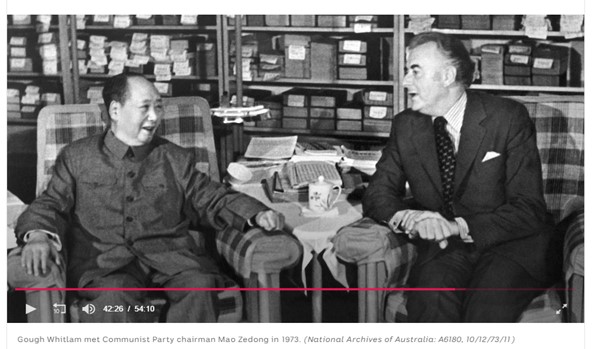
On one view, Gough Whitlam was a passing flash, whose government was not around long enough to have had an appreciable impact on Australian foreign policy. On another, Whitlam’s foreign policy changes were immense and long lasting. This chapter, necessarily briefly, discusses the promise, creativity, problems, and influence of Whitlam’s foreign policy. Through such analysis, mature reflection on Australia’s legacy in relation to its obligations to and treatment of our alliances, commitment to the region, and human rights is enabled.
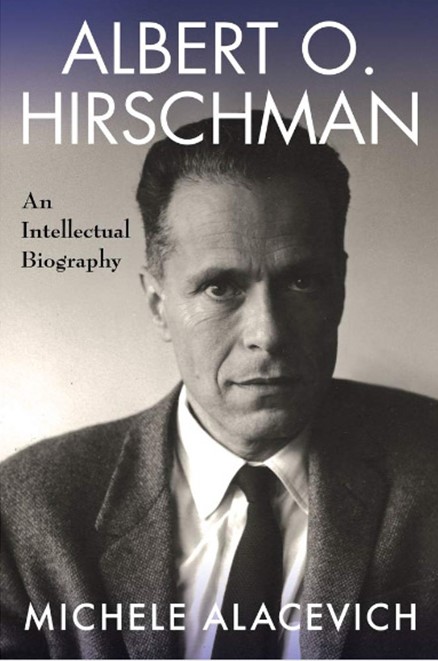
Rare is the book that with verve, clarity, enthusiasm, and authority establishes the claim that a thinker demands reappraisal and even celebration.