
Obituary published in Tocsin, journal of the John Curtin Research Centre, Issue 24, June 2026.
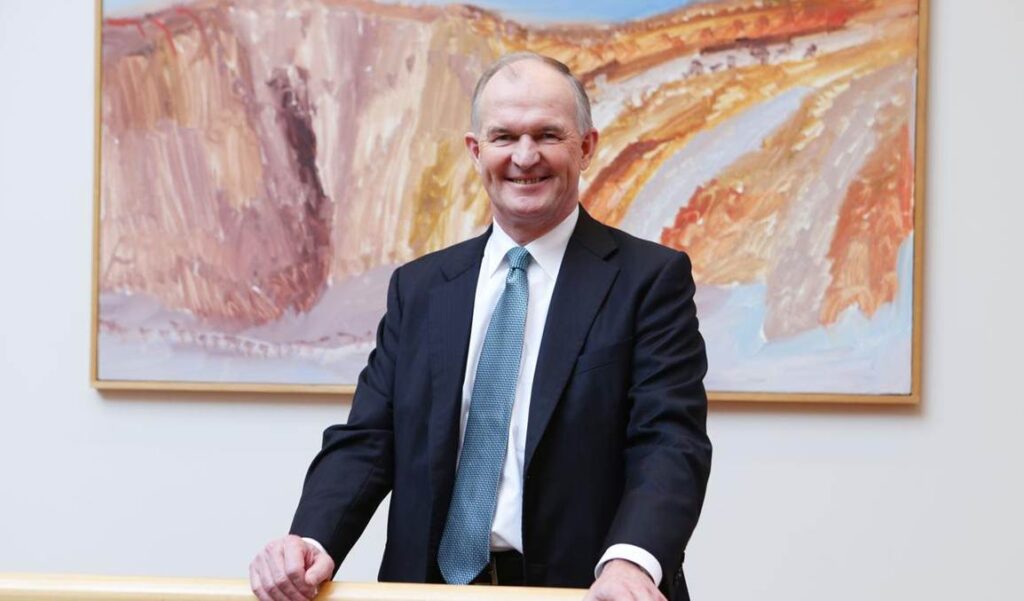
The death of Steve Harker, aged 70, begs the question of what Australia missed out on when his life steered in the direction of business instead of politics.
Harker was the longest serving CEO of a major investment bank in the country, leading Morgan Stanley Australia for 18 years up to 2016. The ten years thereafter saw a dramatic change in his fortunes. Already recruited in 2012 for a five-year term as a Guardian of the Future Fund, Harker also served on the Board of Westpac from 2019 before illness in 2021 cut short heavy business commitments. By any standards, his was a stellar, commercial career. Just as this was becoming even more diversified and interesting, he was diagnosed with scleroderma, a rare autoimmune disorder that involved hardening of the skin and trouble for internal organs. Winding back still had him actively chairing the investment committee of Future Now Capital, investing in global-potential businesses.
Hitherto healthy, trim, and usually diet-conscious, his incurable illnesses progressively worsened, his immune system attacked connective tissues with consequences for blood vessels and his lungs. Managing the symptoms mostly worked at first, but his breathing capacity gradually atrophied. He was put on the short-list for a double lung transplant, never an easy operation. In 2022, the call came and he was rushed to St Vincents Hospital. Eight hours and two mini strokes later, touch and go, the transplant was grafted to his body. He lived. Bottles of life-saving drugs were prescribed, his breath recovered, a life began on high alert for infection. Potential for the disease to claim his new organs was ever present. If he got five extra years with family and the grandkids, he would be happy, he said.
Those who knew Harker when he was in his early 20s imagined he would be Treasurer and/or Prime Minister, the Keating after Keating. Dapper, 5’10” tall, blond haired, Robert Redford-like looks, blue-eyed, jokey, principled, thoughtful, incredibly articulate, he married his love from first year university, Linda Heighway. They surpassed 50-years together.
Steven John Harker grew up in Locksley Avenue, Merrylands, son of a cinema manager father and his home duties mother. He was dux of Granville Boys High School. Winning a Commonwealth University scholarship, able to pursue studies anywhere, he enrolled in Economics and Law at the University of Sydney. He graduated with first class honours in economics and shared the University Medal in Economics. From 1979, he briefly worked as Research Officer, Special Projects Section, at the Reserve Bank of Australia.
Politics, at this stage, claimed his interest. Aged 17, he had joined the Granville Branch of the ALP and felt as a nascent party right-winger, that he had little in common with the Left. He admired Paul Keating, hoping the briefly Whitlam Minister and then Shadow Minister for Resources and Northern Australia, was the future.
Active in Young Labor, he was one of its best debaters. He led the wave of young Laborites who sought an end to Australia’s cosy, protected, unsustainable economy of the 1970s, and yearned for economic reform with a Labor heart.
I visited his home in Merrylands. He had the university calendars for Oxford and Cambridge on the floor. Where to do our PhDs, we pondered. He looked at me and said: “Stuff it. Let’s fight the comms for a few years.” He meant in the unions. Not that we were super right-wing. We were social democrats.
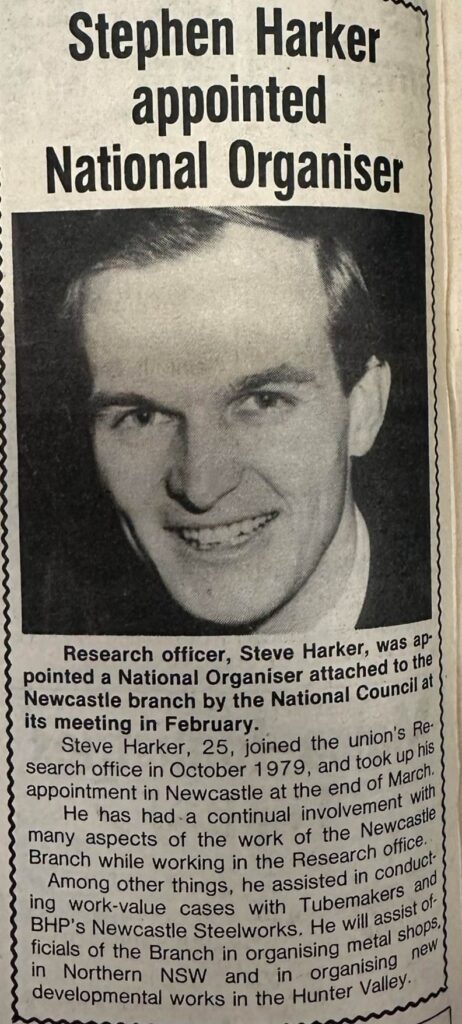
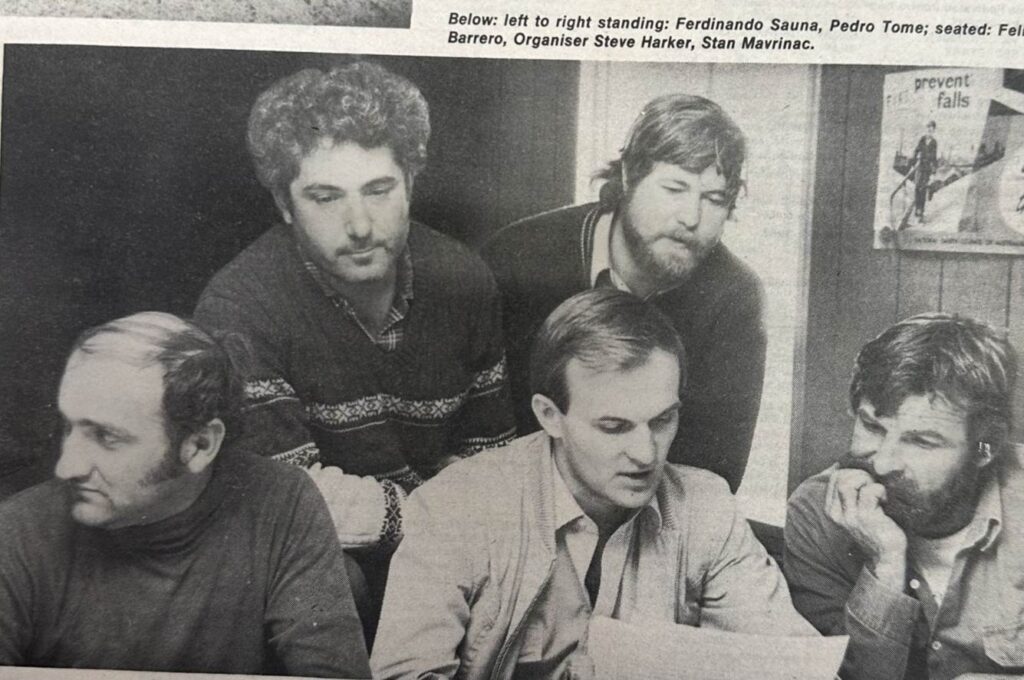
His father a unionist and member of the Australian Theatrical Amusement Employees Association thought getting a job in a union was a noble and prestigious career option. The legendary Laurie Short at the Federated Ironworkers Association (FIA) heard about young Harker and hired him. From 1979 to 1983 he worked as Research Officer and then FIA National Organiser, including a period as Acting Assistant Secretary of Newcastle and Northern Branch of the union. Linda was a qualified maths teacher, and they moved to Maitland. This was still the era of large steelworks, and the FIA was one of Australia’s biggest unions.
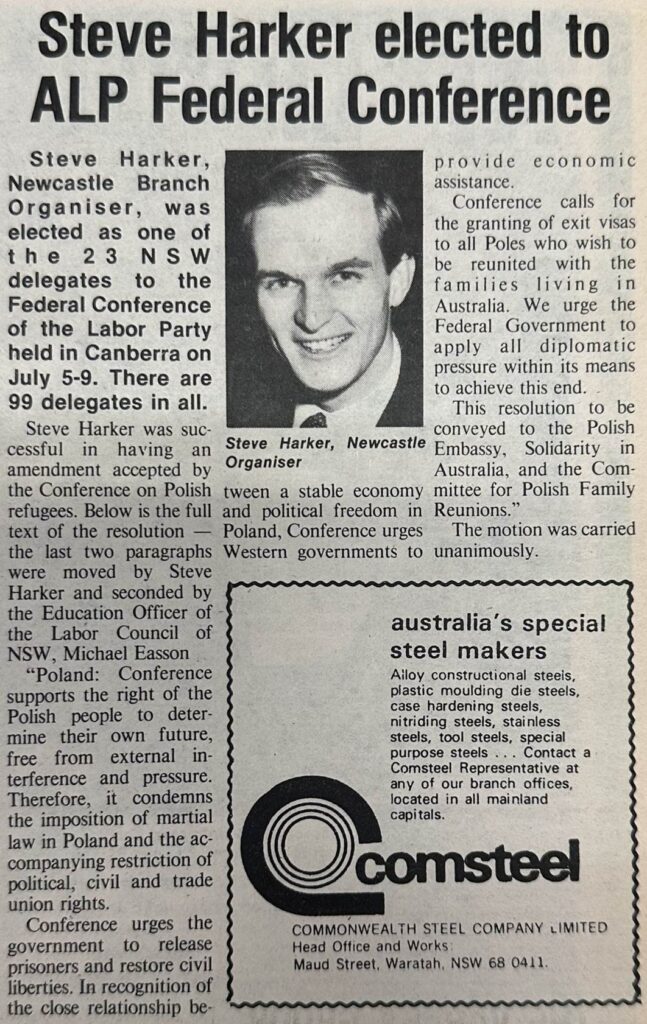
Source: the FIA’s Labor News
In 1982/3, the in-coming General Secretary of the NSW ALP, Stephen Loosley, had personal concerns about his designated Assistant Secretary and offered Harker the role instead, as his deputy and heir apparent. A tug-of-war ensued. Harry Hurrell, Short’s successor and maestro of FIA industrial and political strategy, wanted Harker in elected office in the union. But Harry conceded that a person of principle and exceptional ability in the ALP office outtrumped what the union could offer and was better overall for the labour movement. Hawke was elected Prime Minister in March 1983 and all looked rosy ahead.
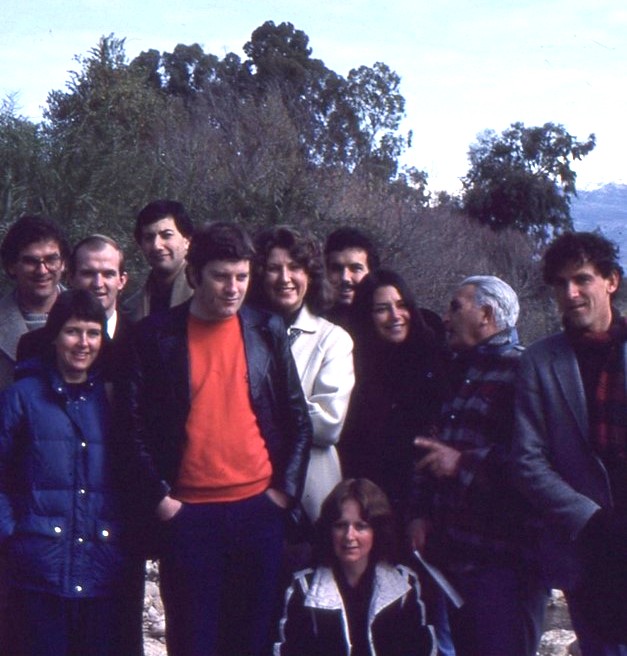
Linda Harker, Steve Harker, Jeremy Jones, Paul Haseloff, Mary Alexander (later, Easson), Helen Cargill (sitting),
Robert Bladier, Michelle (?, tour guide), grey haired man (bus driver), Shane Easson. Source: Michael Easson.
Harker’s future in the FIA was over, with a better political role in the offing. But then Loosley changed his mind, sticking with the deputy he had doubts about, Seumas Dawes, and suddenly the ALP office and union positions were closed off to Harker. Effectively pinball-shot out of a job, the Harkers moved back to Sydney. A future Premier of NSW, Bob Carr, quipped that he could wallpaper his house with all the so-called ‘ironclad’ guarantees he had over the years from ALP officials in Sussex Street. Harker had no animus to Dawes, who went on to work with Treasurer Paul Keating, and later had a career in private equity, banking and investing. Harker had been offered then denied a position he had not actively sought.
Harker quietly sent his resumé around and won a spot with Meares and Philips (stockbrokers).
Then another tantalising opportunity materialised. A redistribution of electoral boundaries meant that a vacancy arose for the winnable seat of Hunter, with Bob Brown, the local MP shifting to a safer electorate. Timing is everything in politics. Six months earlier Harker would have coasted home. Now no longer a ‘local’, Harker campaigned vigorously, doorknocking, and narrowly losing Labor preselection in 1984 to the recent ex-Mayor of Cessnock, Eric Fitzgibbon. The latter worked the membership masterly, sixpack beer packages in hand, as he too sought Labor branch-member support, emphasising he was no carpetbagger. That was a bruising experience.
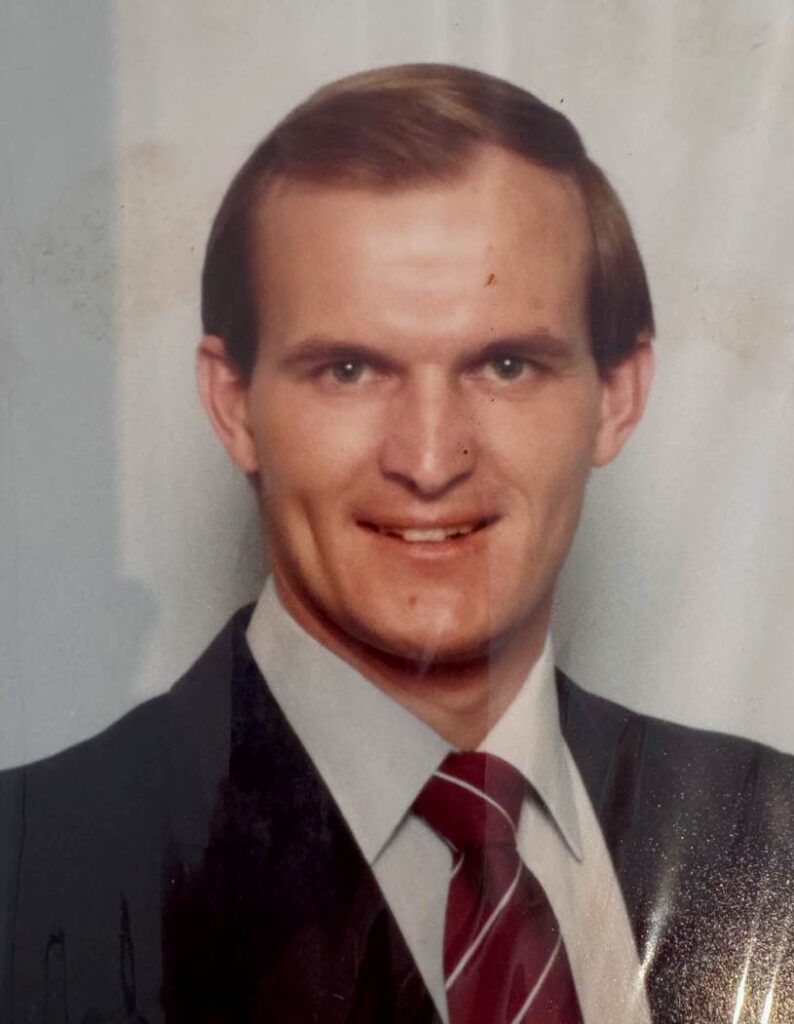
Royally thwarted in politics, Harker had no choice but to thrive in business, eventually steering Meares and Philips in the booming, optimistic days of the Hawke-Keating transformation of Australia.
The leader of his stockbroking firm, he merged with Barclays Bank’s investment banking arm, Barclays de Zoete Wedd (BZW), and effectively led the business in Australia. He spent 15 years with BZW. In 1996, he transferred to London, promoted to Chief Executive of Global Equities and a Member of the BZW Global Management Committee. He frequently flew to New York and Europe on mergers and acquisitions, and refinancing. News Limited was a significant client.
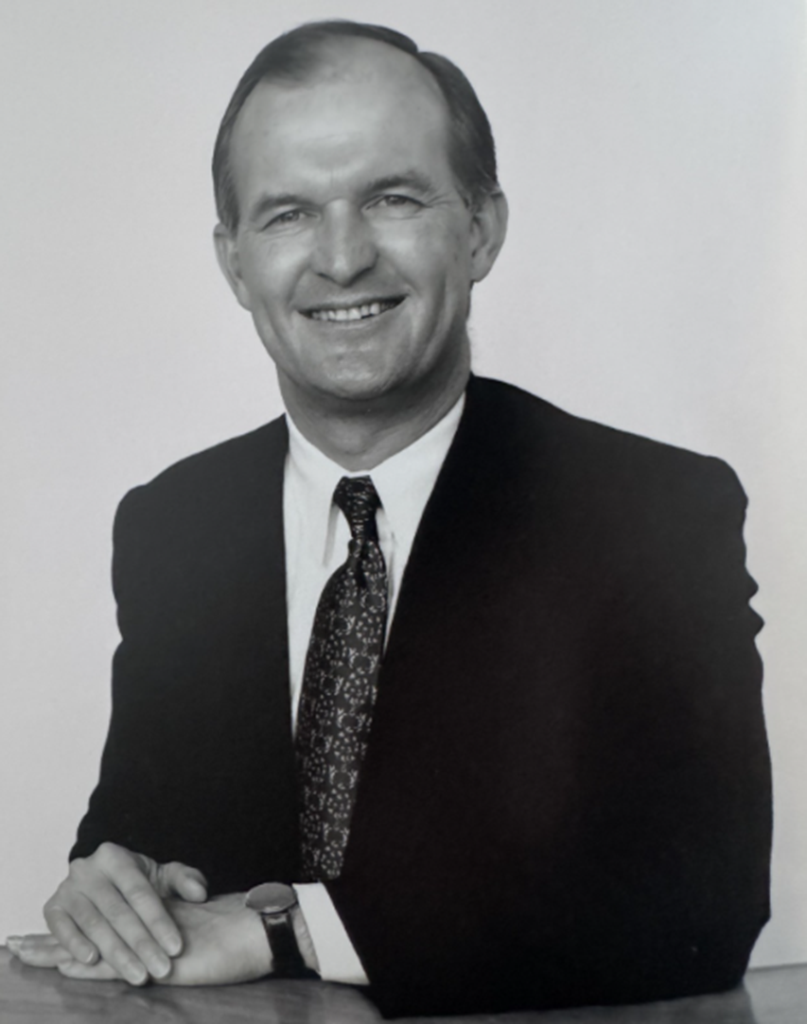
In 1998, Harker led the sale of BZW’s equity and corporate finance Divisions, the heart of the business, to CS First Boston. Barclays were a British ‘old school’ outfit awkwardly suited to a changing, dynamic world. From Chelsea in London, he moved back to Sydney. In July 1998, he was headhunted to run Morgan Stanley in Australia. In 2016, he ‘retired’ from that role after many astute hires and steady, profitable, organic growth. The business grew from a three-analysts equities start-up into one of the nation’s biggest institutional brokers, retail advisers and investment banks. In 2015, he was inducted into the Stockbrokers and Investment Advisers Association Hall of Fame.
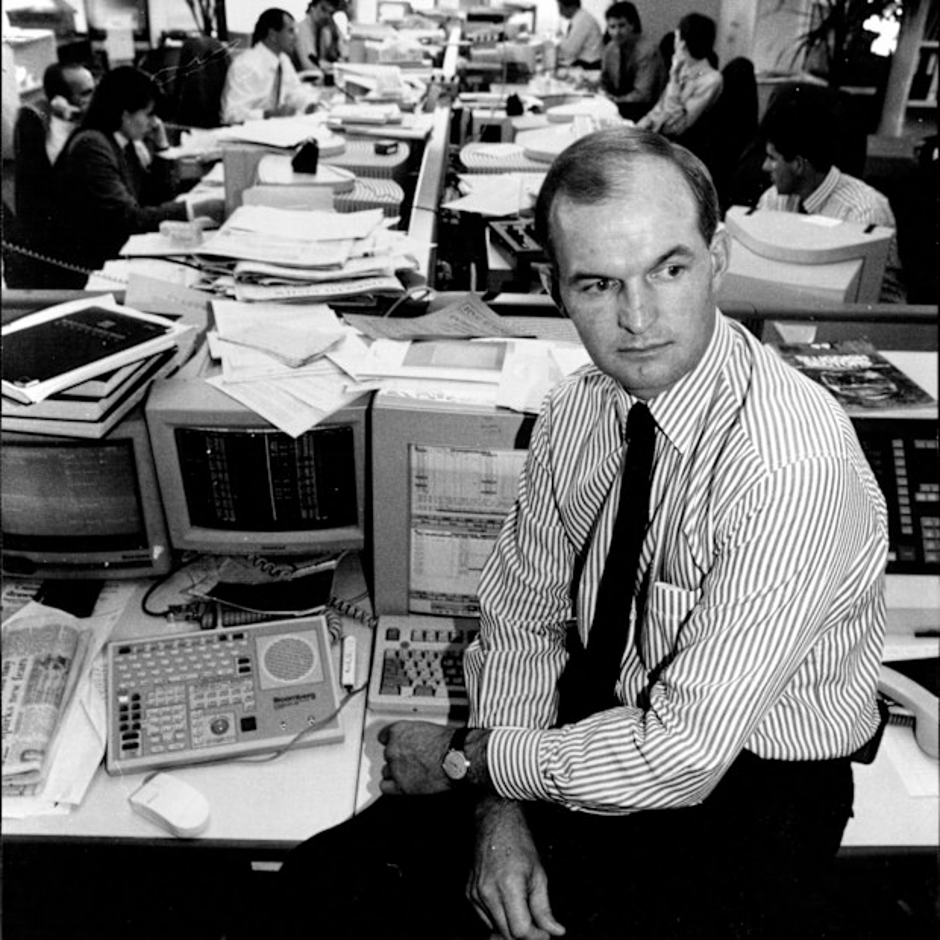
In 2022 Harker was made a Member of the Order of Australia for his immense impact and influence on Australian business.
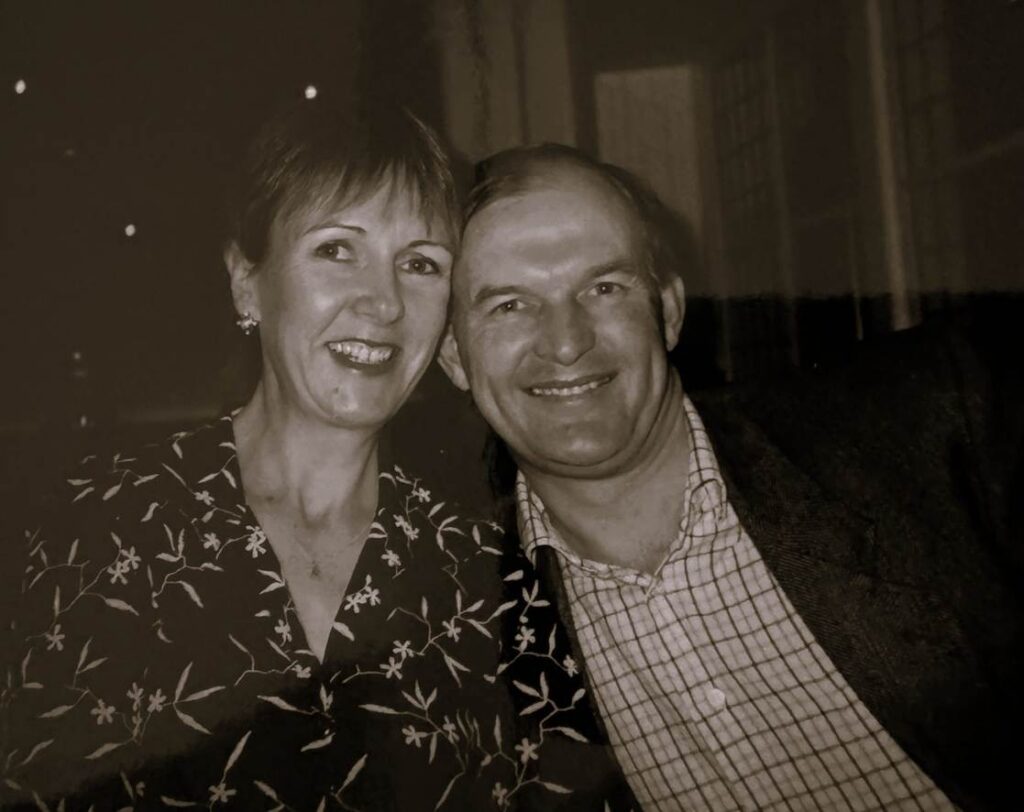
Following his double lung transplant, Linda and Steve established Lungs for the Future at St Vincents, creating an enduring philanthropic legacy for research, innovation and patient outcomes for years to come.
He was a Director of the Rugby League Players Association and Chairman a little over a year ago. Harker relished getting back to the world of industrial relations negotiations but aimed for win-win outcomes.
His professional, business achievements outshone nearly every contemporary, but when politics is in your blood, it never disappears. Curious, humble, determined to encourage others to make a lasting and meaningful difference, only something as dastardly as this mysterious disease could stop him.
Fiercely independent, a livewire in policy thinking, when a resident of Wolseley Road, Point Piper, he renewed each year ALP membership, not that he was uncritical of the ALP in the last decade; indeed, far from that. I dare say he was the only Labor Party ticket holder on that exclusive street.
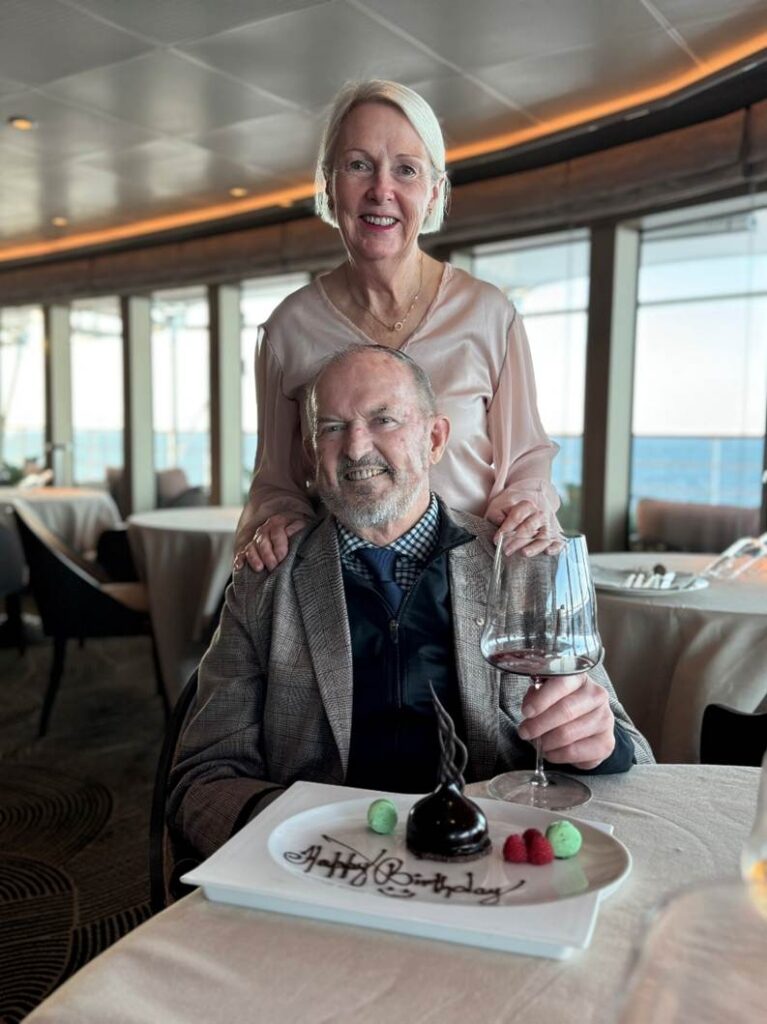
A success story of drive and self-invention, he never forgot where he came from and sought-out up-and coming ALP prospects, in Young Labor and the party office, and as well in the Australian Workers Union (which the FIA merged into in 1993). He was mentor to many. He alighted conversations with out-of-the box provocative thinking, possessing one of the sharpest minds in the country, urging all to think about growing the pie, not just its slicing. Within 24 hours of his death, a WhatsApp group of ex-Young Labor friends from the late 80s onwards started reflecting on and sharing anecdotes about the favourable interactions they all had with Harker. One posted: “Whilst it was great to see Harker succeed in business, one wonders what he could have achieved in public office.”
For his close-knit family, Linda, daughters Rachel and Clare and four grandchildren, they held him close for more years than expected. He could not outpace the inevitable. But he fought like he could.
Postscript
A celebration of Steve Harker’s life will be held by family and friends at the Establishment, George Street, Sydney, on Sunday 21 June, on the eve of what would have been his 71st birthday. Memorial details: https://luma.com/lfbcnnw6
Here is a profile I wrote on Harker for his 50th birthday: https://michaeleasson.com/political-history/2005-steve-harker-and-the-promise-of-politics/